Equipment & Gear
Successful emergency communications require both trained operators and dependable equipment. While some PACT roles do not require any personal equipment, members who wish to advance through the certification program and qualify for operational roles should expect to acquire and maintain communications gear over time. Equipment requirements increase with each certification level, allowing members to progressively build the skills, experience, and equipment needed to support PACT operations. Members are encouraged to expand their capabilities gradually as they complete additional certification levels and gain operational experience.
Deployment Checklist
Deployment Checklist
- Radio equipment
- Printed reporting forms
- Notebook and pen
- Appropriate clothing and water
- Backup power source, if possible
- PACT vest, if issued or available for planned exercises
Certification Levels
The following equipment & gear are required for the PACT Certification Levels.
Level 1
- 2m/70cm handheld radio
- Spare battery
- Earpiece for handheld radio
- Upgraded handheld radio antenna (whip antenna)
- Radio programmed with PACT Standard Load
- Documentation binder
- PACT Field Manual
- Provo street map
- PACT District & Frequency Map
- Notebook
- Zipperpouch
- Writing utensils
- Radio manual for handheld radio
- Multitool or pocketknife
- Reusable water bottle
- Personal First Aid Kit
Level 2
- Portable 2m/70cm antenna (j-pole, ground plane, etc)
- 50' coax with PL259 connectors (RG-8 or better)
- One roll of electrical tape
- Coaxial Adaptors
- SO239 - SO239
- SO239 - PL259
- SO239 - BNC Male
- SO239 - BNC Female
- SO239 - SMA Male Pigtail
- SO239 - SMA Female Pigtail
- PL259 - BNC Male
- PL259 - BNC Female
- USB Cables
- USB A - Micro USB
- USB A - USB C
- USB C - USB C
Level 3
- Anderson Power Poles
- Power pole to cigarette lighter
- Power pole to alligator clip
- Power pole to extension cable
- Power pole to three way splitter
Level 4
- LiFePo4 Battery (20Ah minimum)
- Ability to connect using Anderson power poles
- Ability to charge battery with AC power
- Head lamp
- 12VDC LED light with Anderson power poles
Team Equipment
Mobile Communications Asset
PACT Radio Trailer
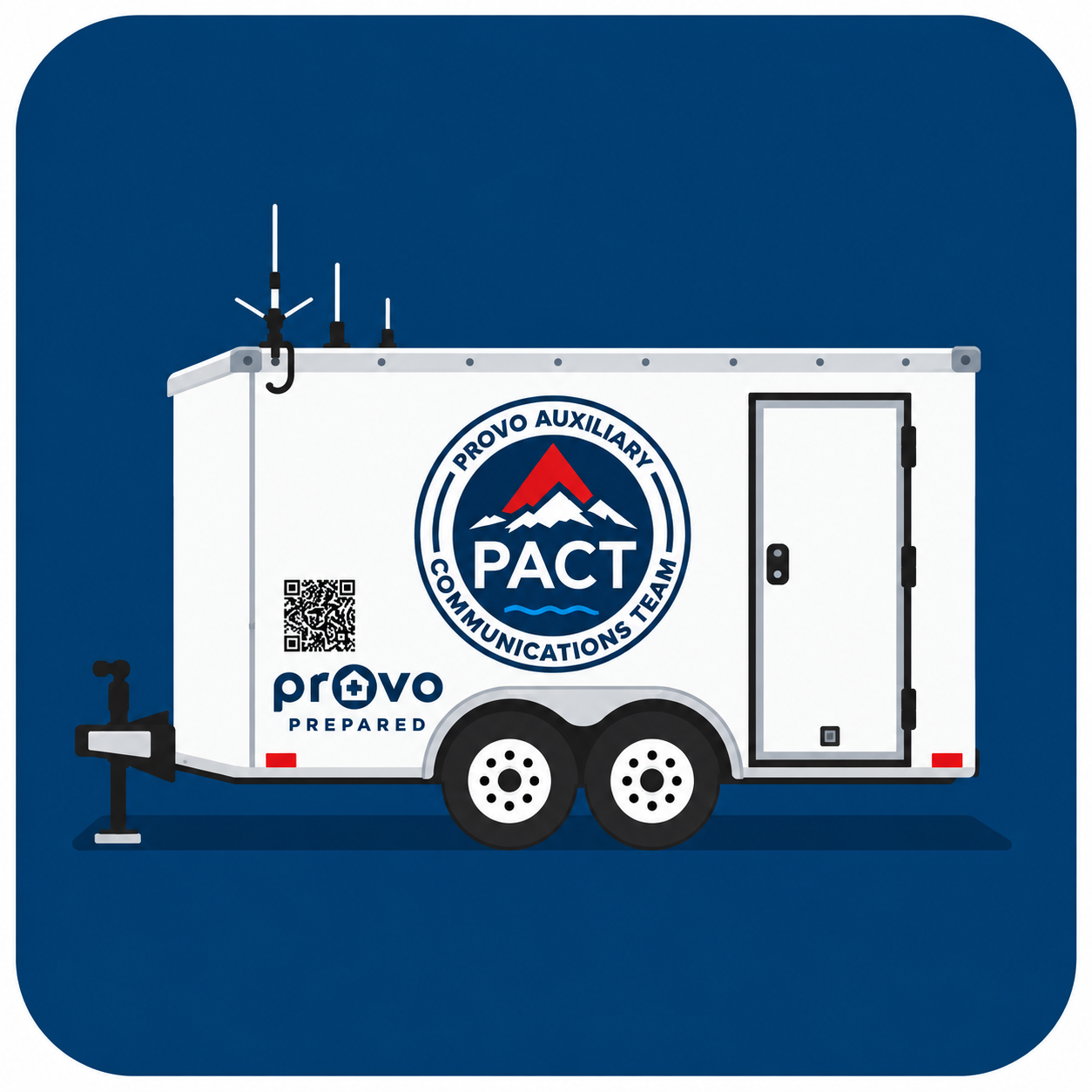
A deployable communications platform supporting amateur radio, GMRS, and off-grid field operations during emergencies, exercises, and planned events.
50 W · 2-meter and 70-centimeter amateur bands
100 W · HF and 6-meter amateur radio communications
5 W · GMRS channels
Two solar arrays with a Wanderer solar charge controller
Outside of communications, the PACT Trailer also stores basic supplies and equipment for emergencies.
Fixed Communications Facility
Emergency Operations Center
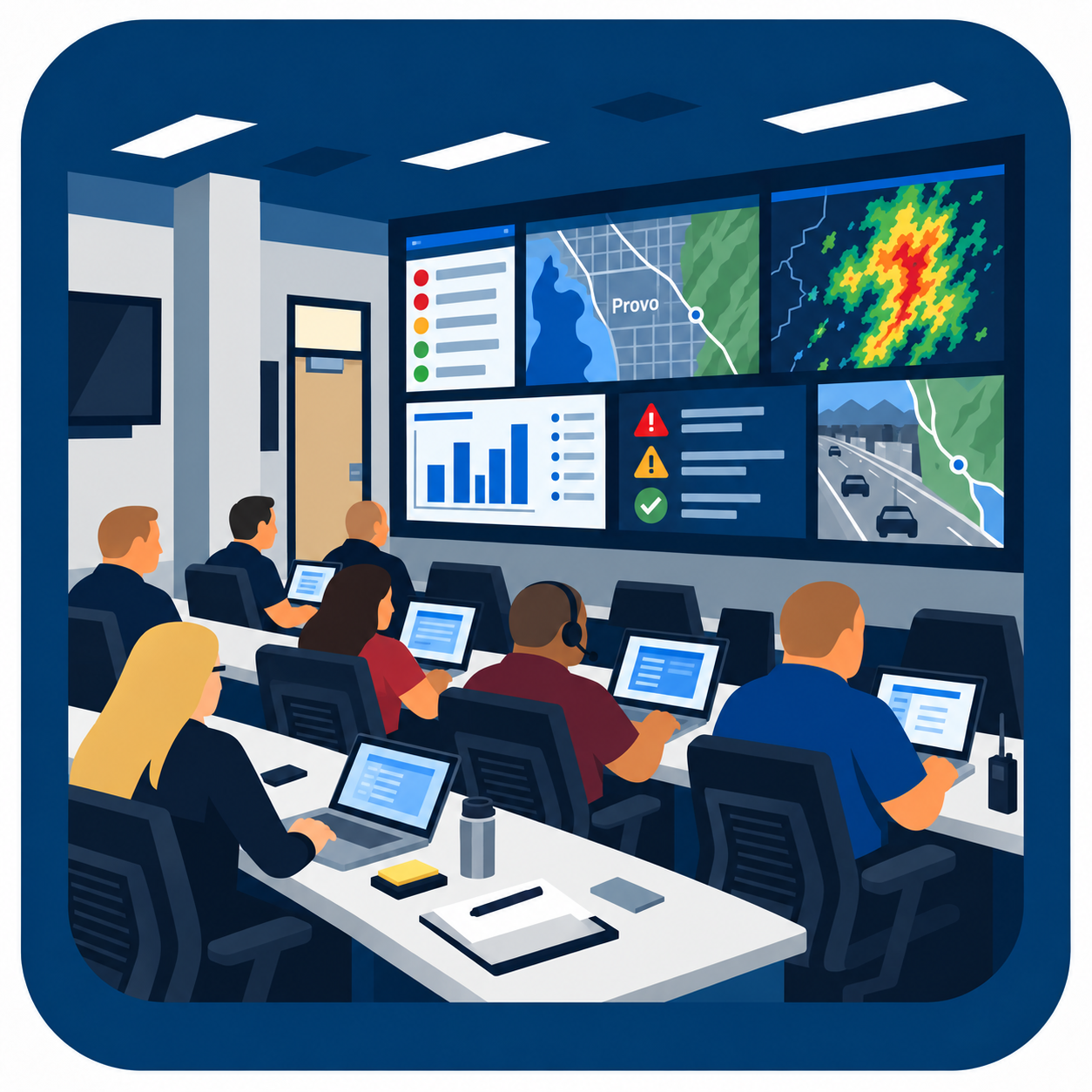
A fixed communications facility supporting coordination between PACT, Provo City, and other emergency-response resources.
50 W · 2-meter and 70-centimeter amateur bands
100 W · HF amateur radio communications · MFJ Automatic Antenna Tuner · Digirig sound card for digital modes like Winlink
Astron RS-20M Power supply · emergency backup generator
Fixed communications support for emergency coordination, incident response, and citywide communications operations.
Recommended Equipment & Gear
Product recommendations on this page are provided for general informational purposes only. PACT does not guarantee that any specific product will meet every operator’s needs or be compatible with every radio, accessory, or use case. Members should independently research specifications, compatibility, quality, pricing, and safety before purchasing equipment. These recommendations are not formal purchasing, technical, financial, or professional advice.
Radio Equipment
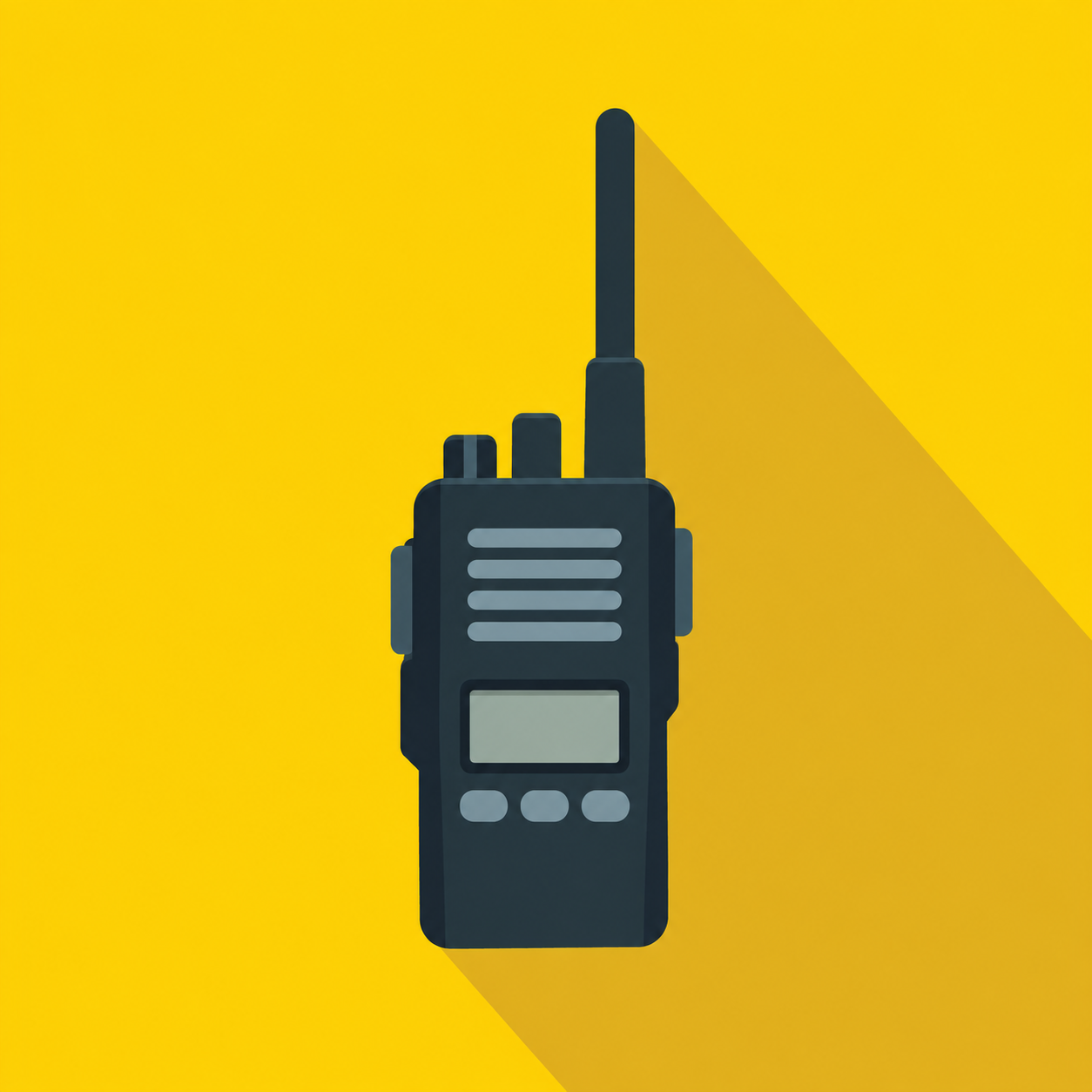
Handheld Radio
Primary communication tool for most PACT deployments. Members should program all PACT frequencies before deployment, carry at least one spare battery when possible, use a speaker mic or earpiece in noisy locations, and keep transmissions short and professional.
Recommended Products
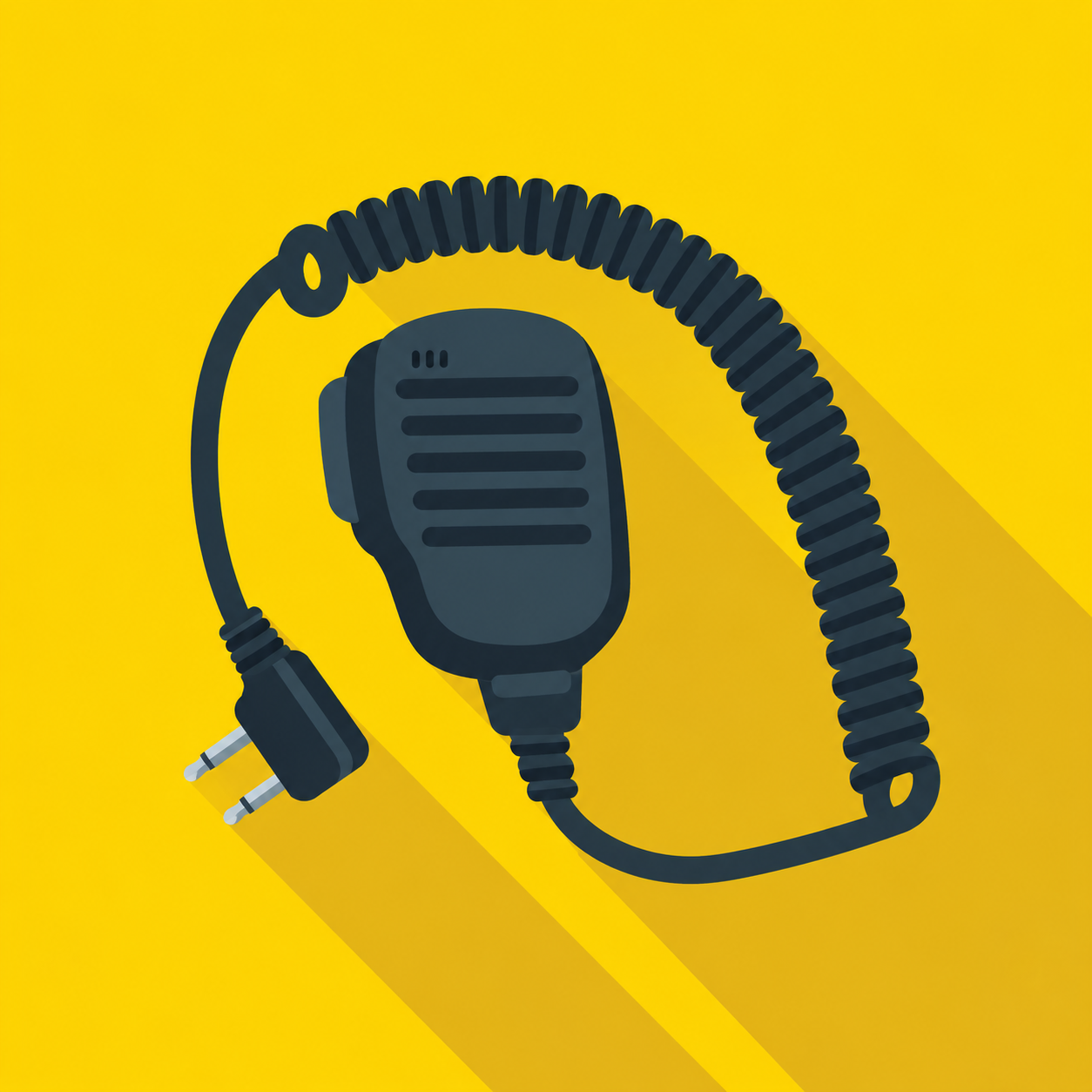
Speaker Mic / Headset
Improves radio operation in noisy environments or when hands-free use is helpful. A speaker mic or headset allows operators to hear traffic more clearly, keep the radio secured, and communicate more easily during events, walking assignments, and noisy locations.
Recommended Products
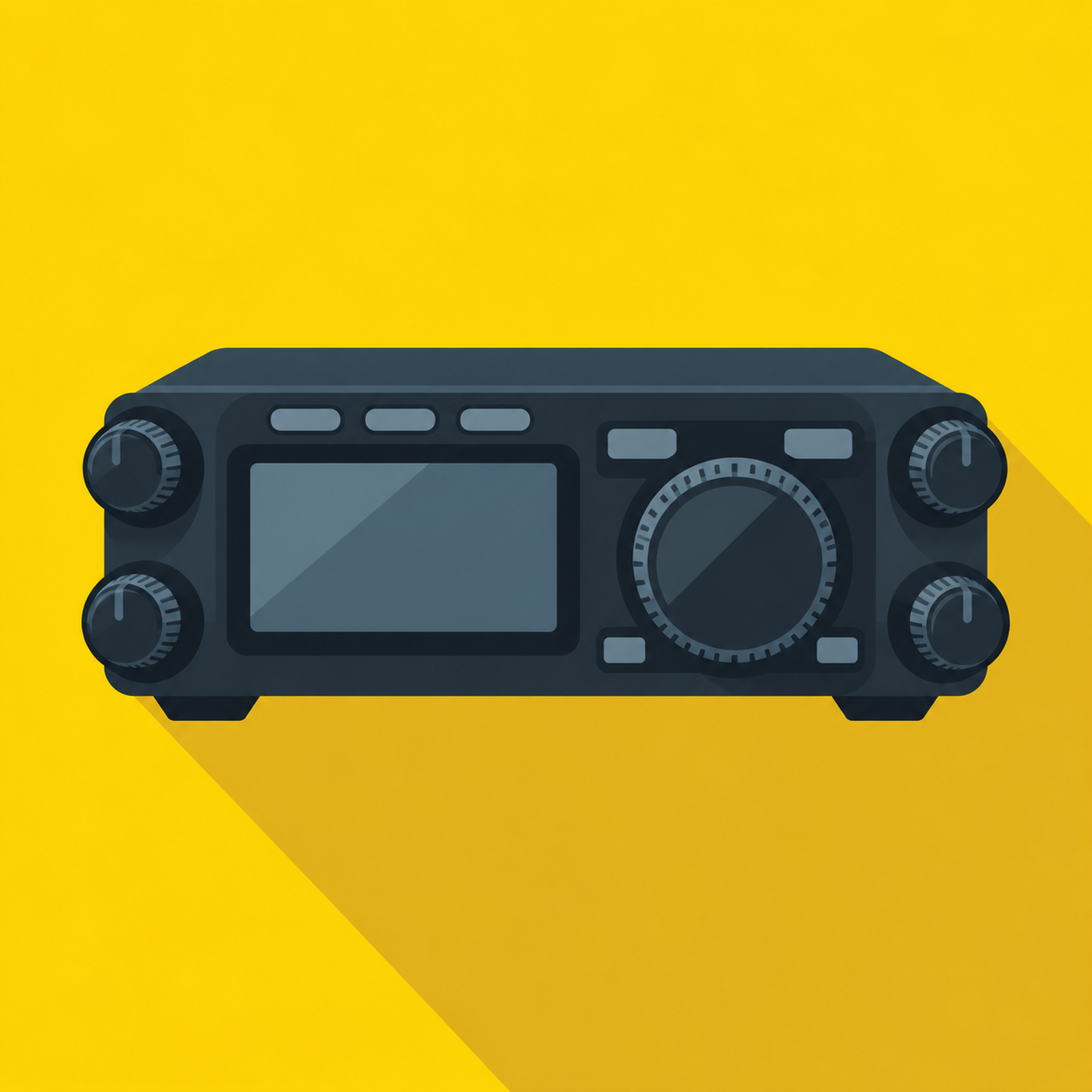
Mobile Radio
Provides more power and capability than a handheld radio when vehicle or base operation is available. Mobile radios are useful for vehicle-based assignments or fixed locations, but they require proper power, antenna, and mounting setup.
Recommended Products
Antennas
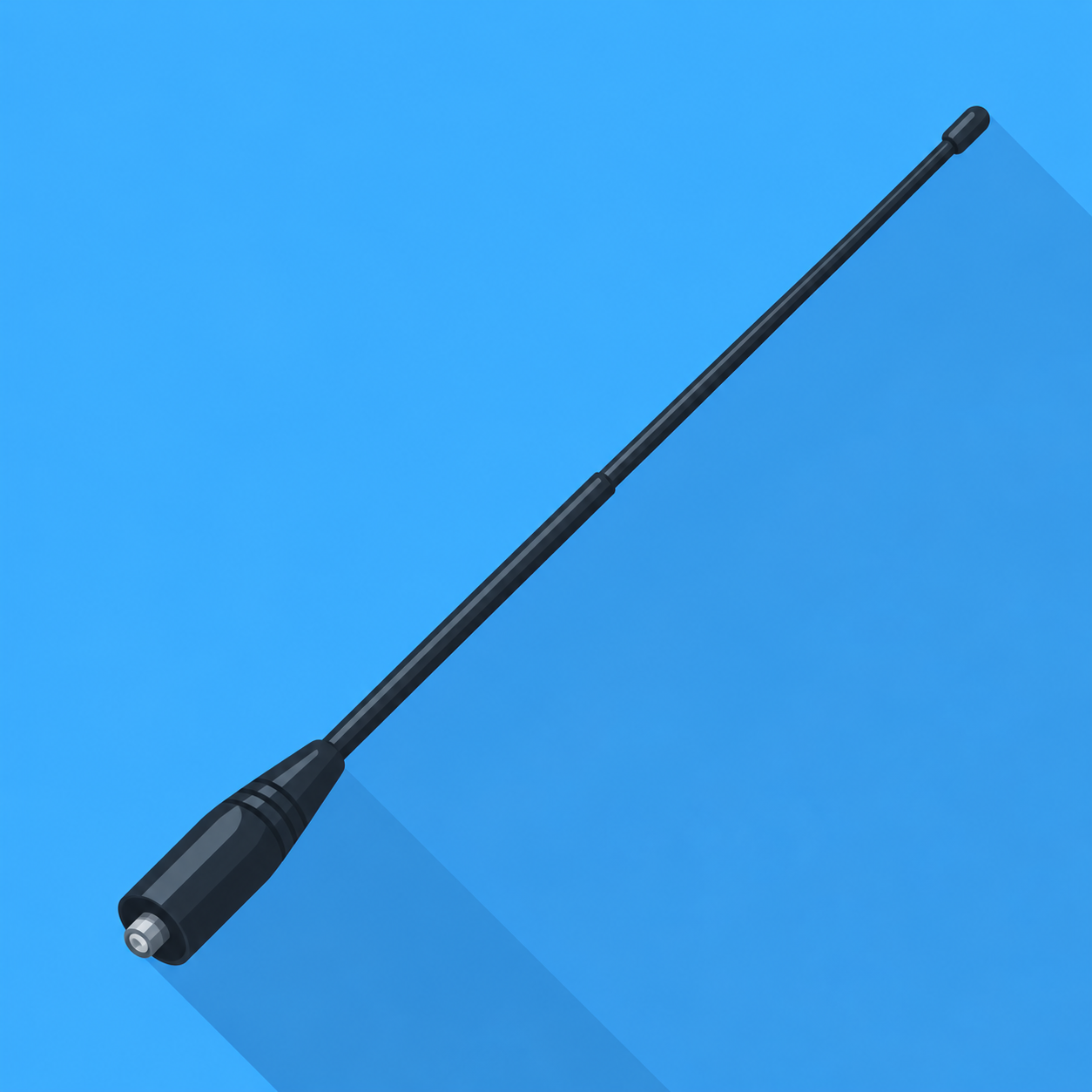
High-Gain Whip Antenna
Improves handheld radio performance compared to many stock antennas. A high-gain antenna can improve transmit and receive performance, especially when operating farther from a repeater, but it should match the radio band and not over-stress the connector.
Recommended Products
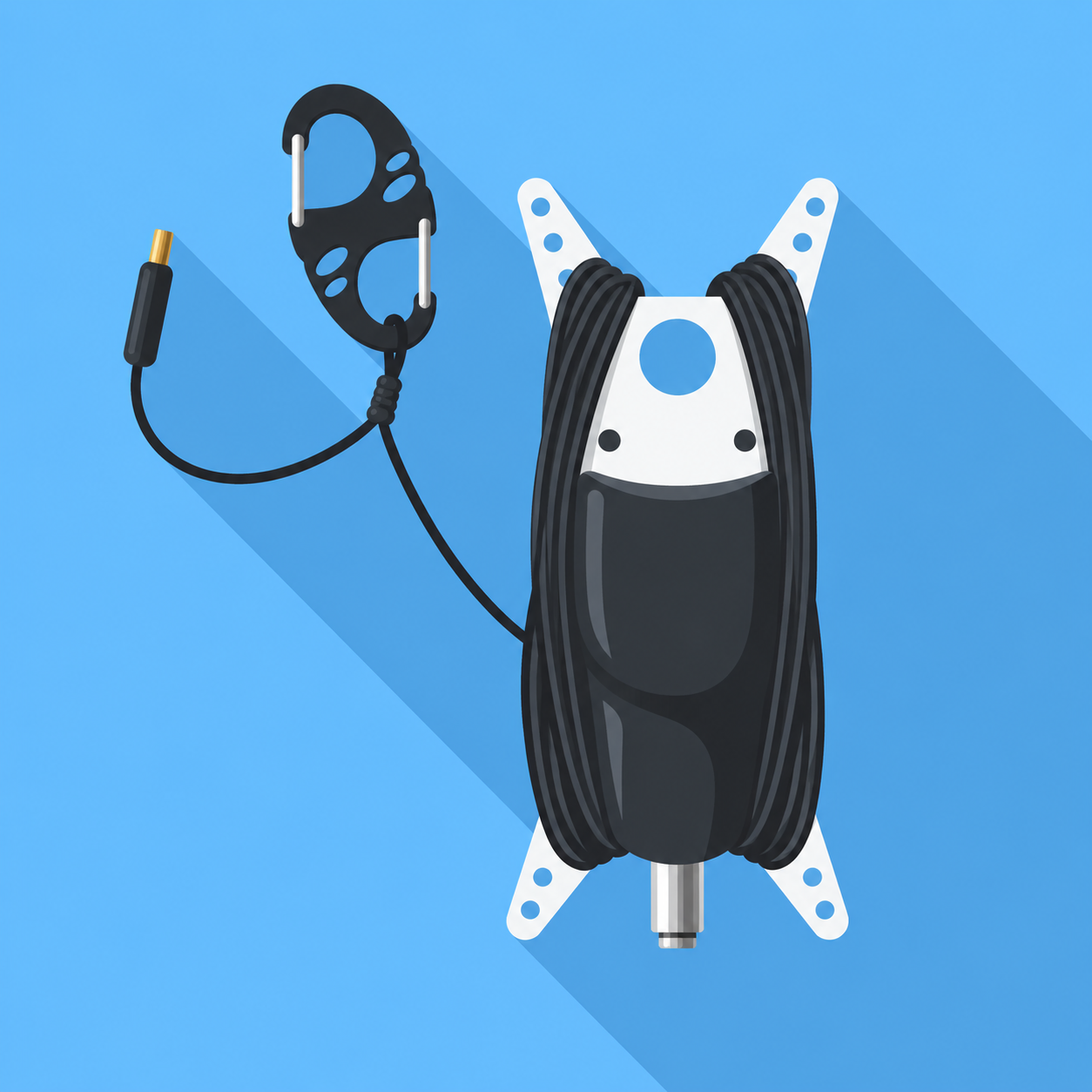
Portable Antenna
Improves field communication when a handheld or mobile radio antenna is not enough. Portable antennas are useful for temporary field stations and can improve signal quality by increasing antenna height with a tripod, mast, tree, or other support.
Recommended Products
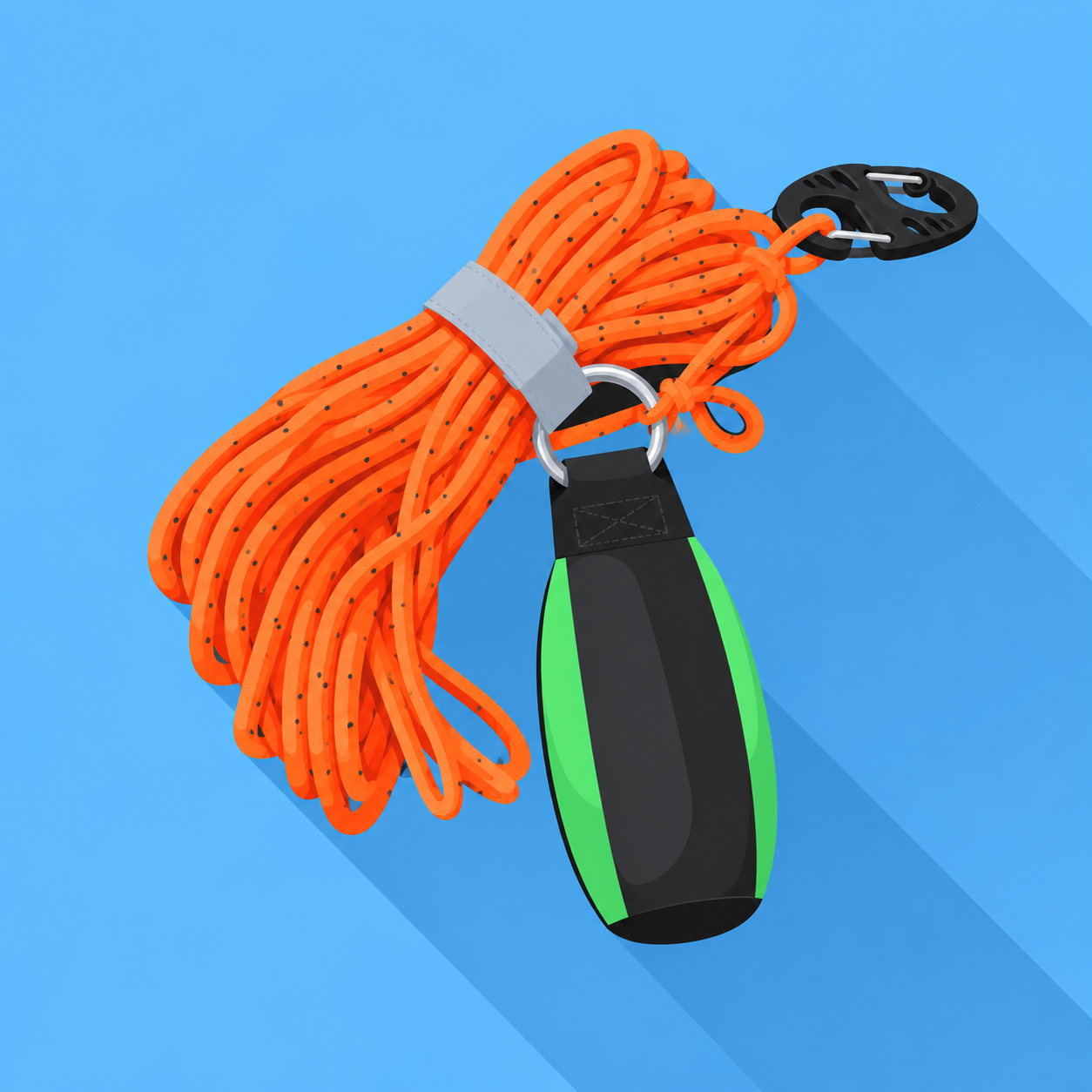
Throw Rope & Weight
Useful for raising lightweight antennas into trees or other elevated supports. Throw rope is helpful for temporary wire or roll-up antennas, but it should be used safely, kept away from power lines, and stored neatly to prevent tangles.
Recommended Products
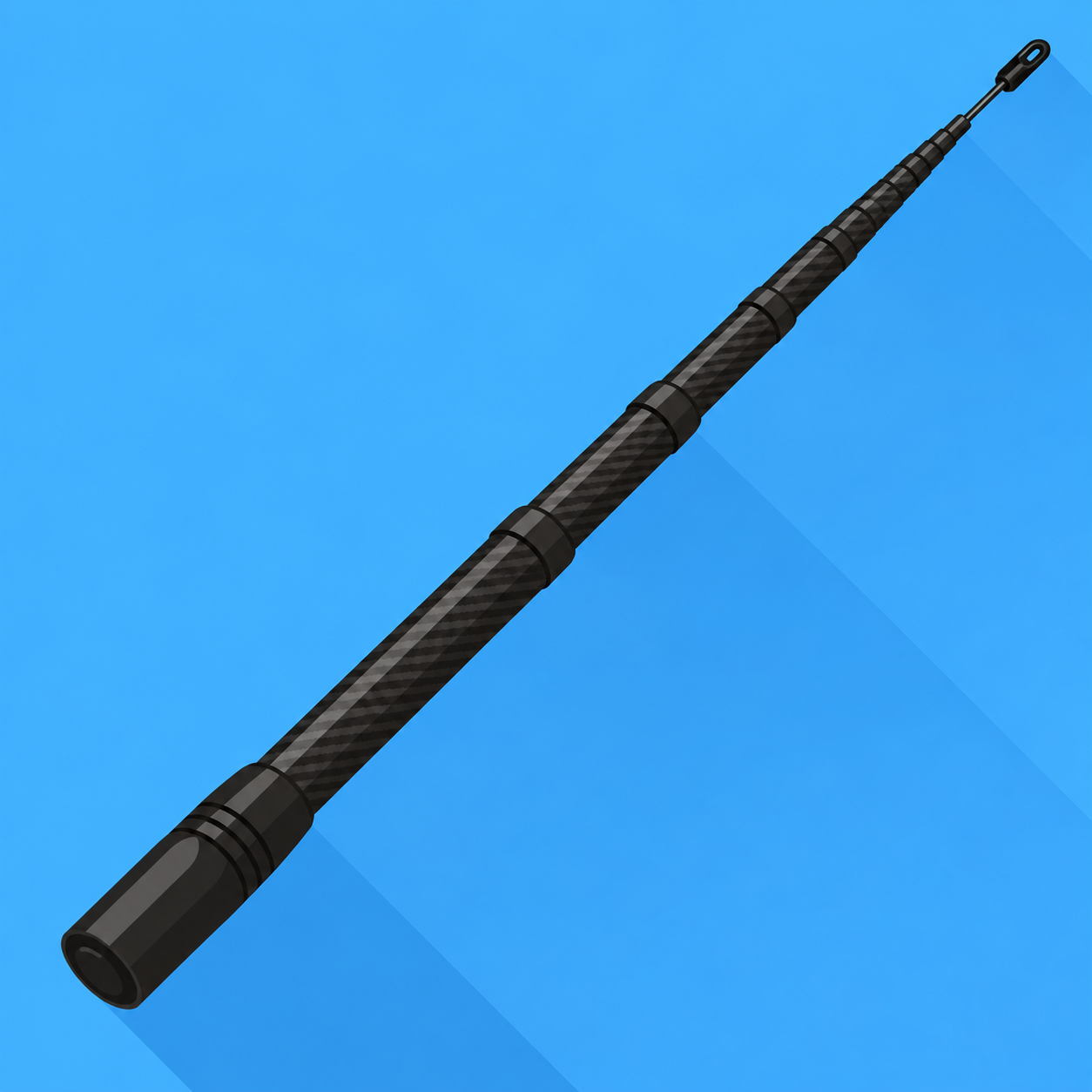
Portable Mast
Provides a stable platform for elevating antennas above surrounding terrain and obstacles. Portable masts can improve communication range by increasing antenna height and are useful for temporary field stations, deployments, and emergency operations.
Recommended Products
Power & Cabling
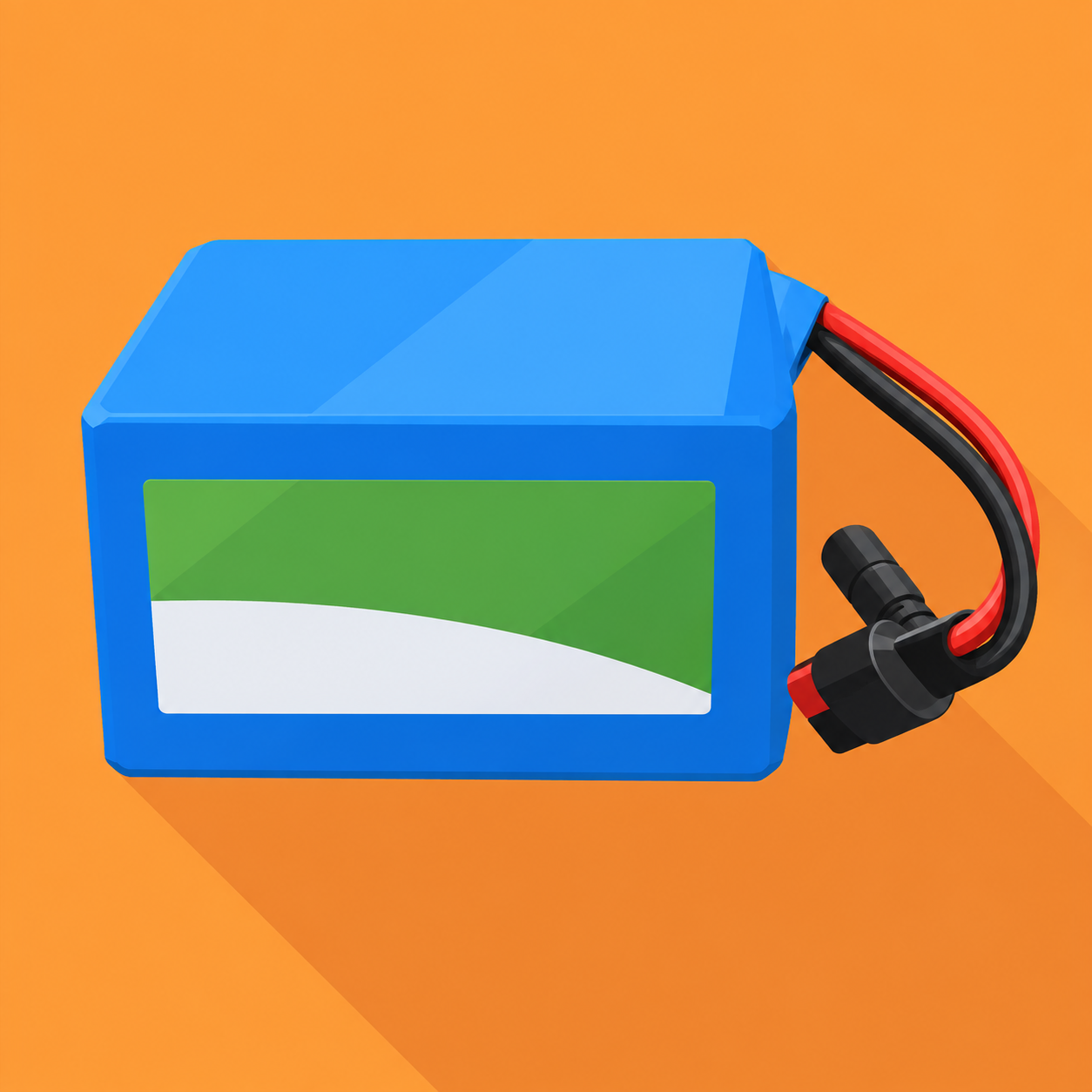
External Power Source
Backup power helps maintain communications if commercial power is unavailable. Operators should bring charged battery packs when possible, keep charging cables with their radio equipment, and not rely on emergency power being available.
Recommended Products
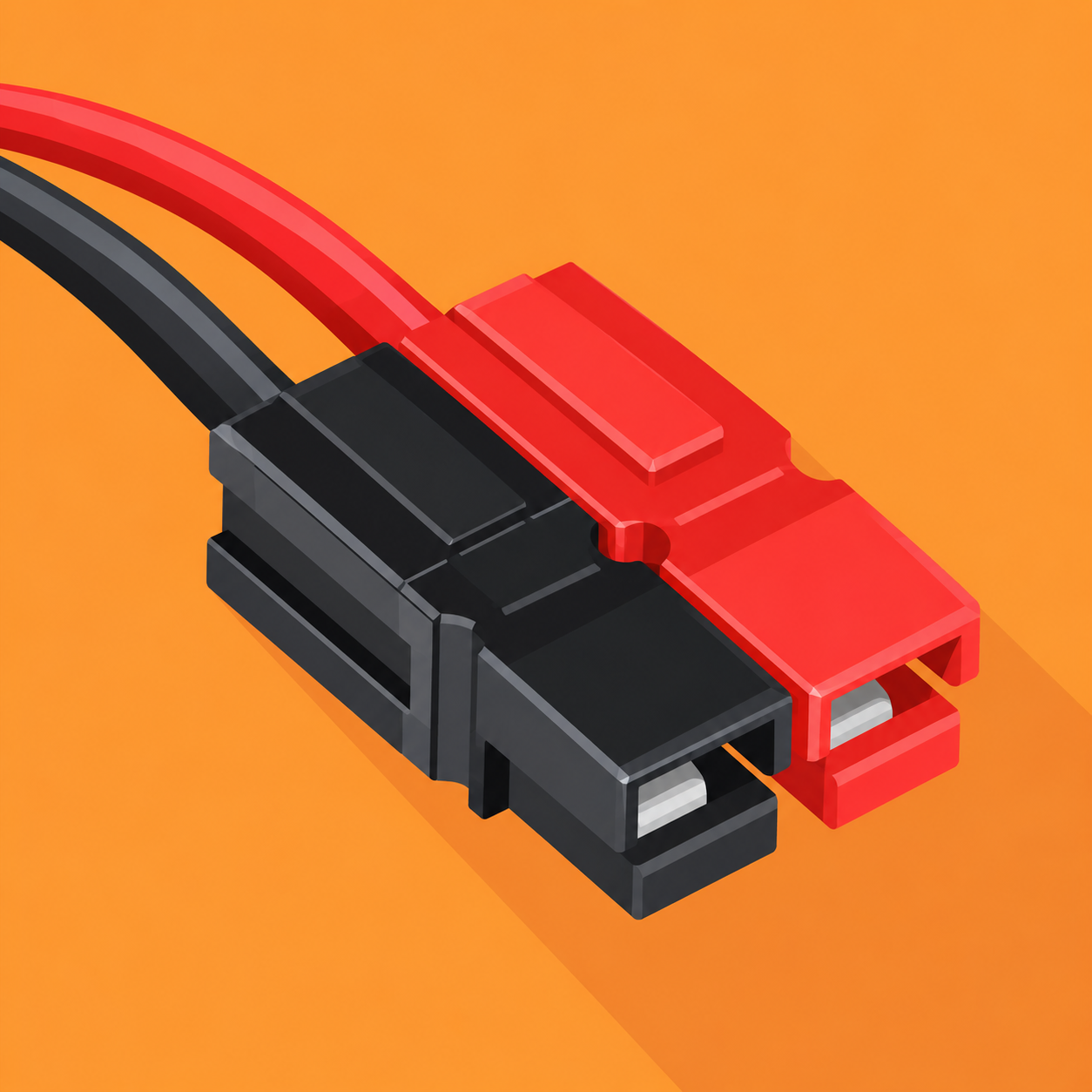
Anderson Powerpoles
Standardized power connectors commonly used in amateur radio emergency communications. They help make power connections more consistent and are useful when connecting radios to battery systems, but polarity should always be verified before use.
Recommended Products
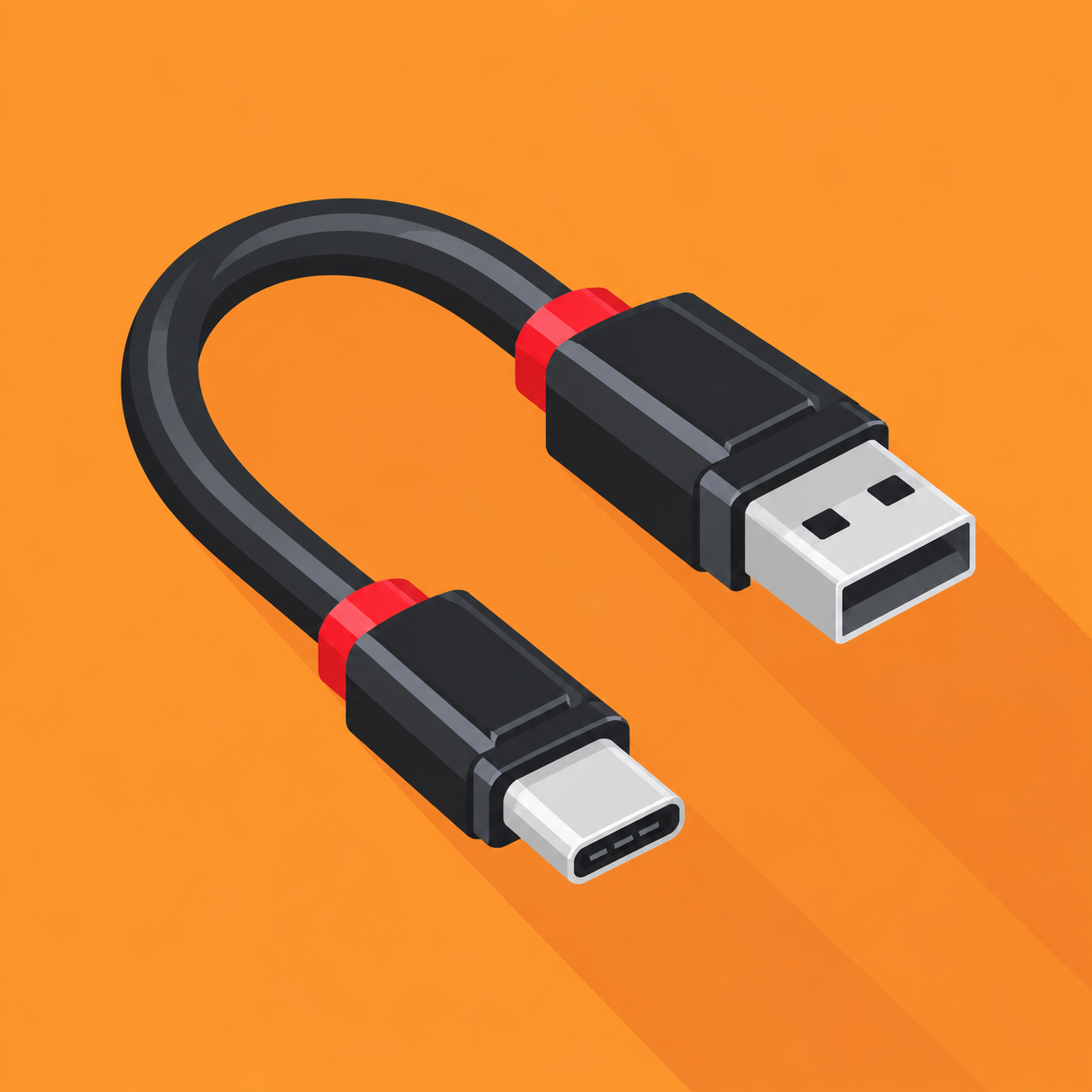
USB Cables
Used for charging devices, programming radios, or connecting accessories. Operators should carry cables that match their phone, battery pack, and radio accessories, and should label specialty programming cables when possible.
Recommended Products

Coaxial Adapters
Allow radios, antennas, and feed lines with different connector types to be connected. Common connector types include SMA, BNC, PL-259, and SO-239, so adapters should be organized and tested before deployment.
Recommended Products
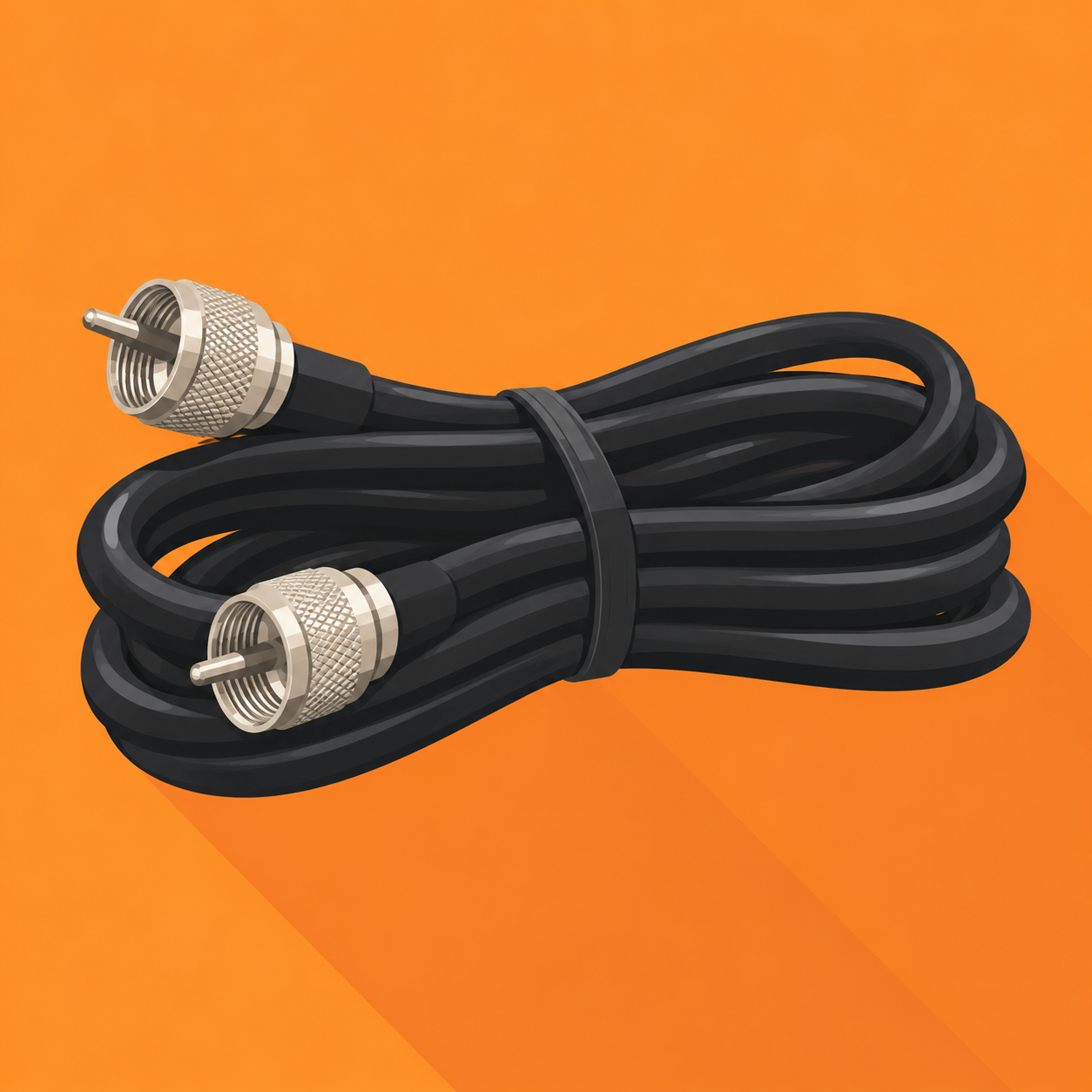
Coax Cable
Connects radios to external antennas for improved range and signal quality. Coax should be the appropriate length for the setup, inspected before use, protected from sharp bends, and stored neatly to prevent damage.
Recommended Products
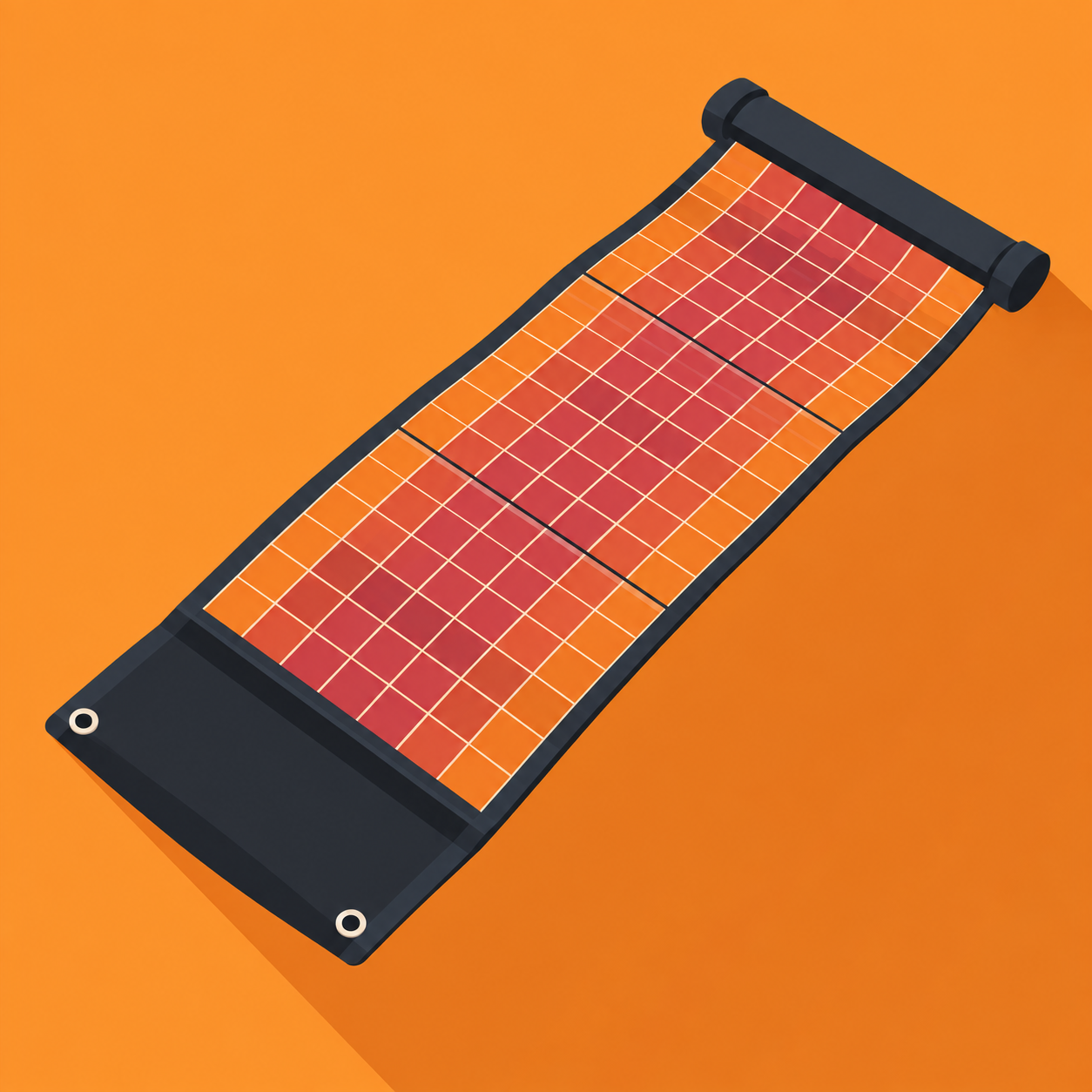
Solar Panel
Provides renewable power for charging batteries and supporting extended field operations. Solar panels can help maintain communications during prolonged deployments when commercial power is unavailable or limited.
Recommended Products
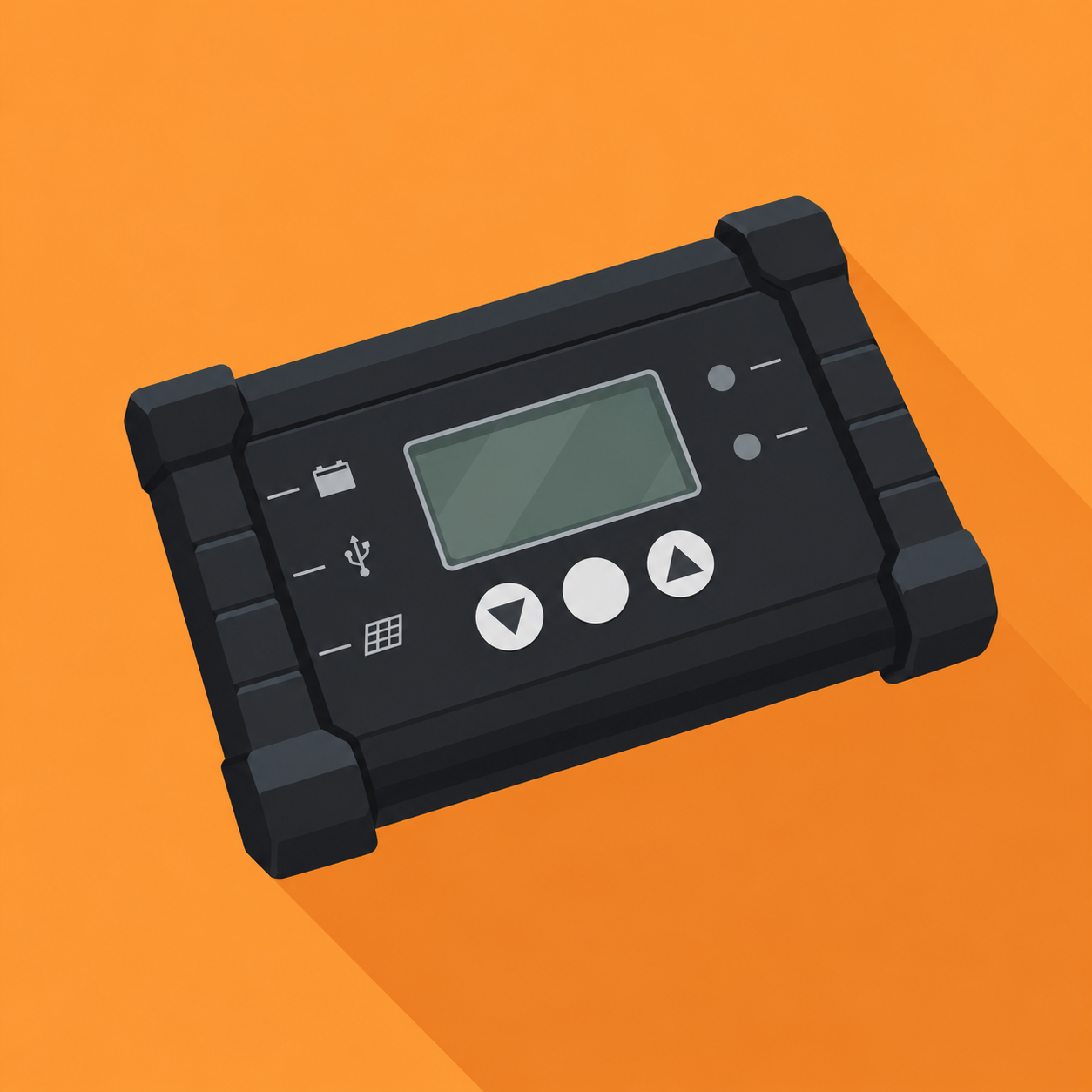
Solar Charge Controller
Regulates power from a solar panel to safely charge batteries and protect equipment from overcharging. A charge controller improves system reliability and is an essential component of most portable solar power systems.
Recommended Products
Field Gear
Personal First Aid Kit
Provides basic supplies for minor injuries during field assignments. A personal first aid kit should include basic items such as bandages, gloves, antiseptic wipes, and any personal medications needed during an assignment.
Recommended Contents

Water Bottle
Helps operators stay hydrated during outdoor events and emergency assignments. Members should carry enough water for the expected assignment length, plan for hot weather, and not rely on water being provided at every assignment.
Recommended Products

Multitool
Useful for small repairs, adjustments, and general field tasks. A multitool can help with minor equipment fixes, tightening, cutting, or adjusting gear, but it should be used safely and in accordance with local event or facility rules.
Recommended Products

Maps
Maps provide backup navigation and situational awareness when digital tools are unavailable. Level 1 requires map resources, including a Provo street map and PACT District & Frequency Map. Local maps are useful if cell service or internet access is limited and should be paired with written assignment instructions when possible.
Recommended Products
Field Manual
Contains procedures, frequencies, forms, and reference information needed during operations. The manual should be printed and kept in a binder so it remains available when electronic access is unreliable. Members should keep their copy updated as PACT procedures change.
Recommended Products
Headlamp
Provides hands-free lighting for nighttime operations or low-light conditions. Operators should recharge it before deployment, carry spare batteries when needed, and use lower light settings when working near others.